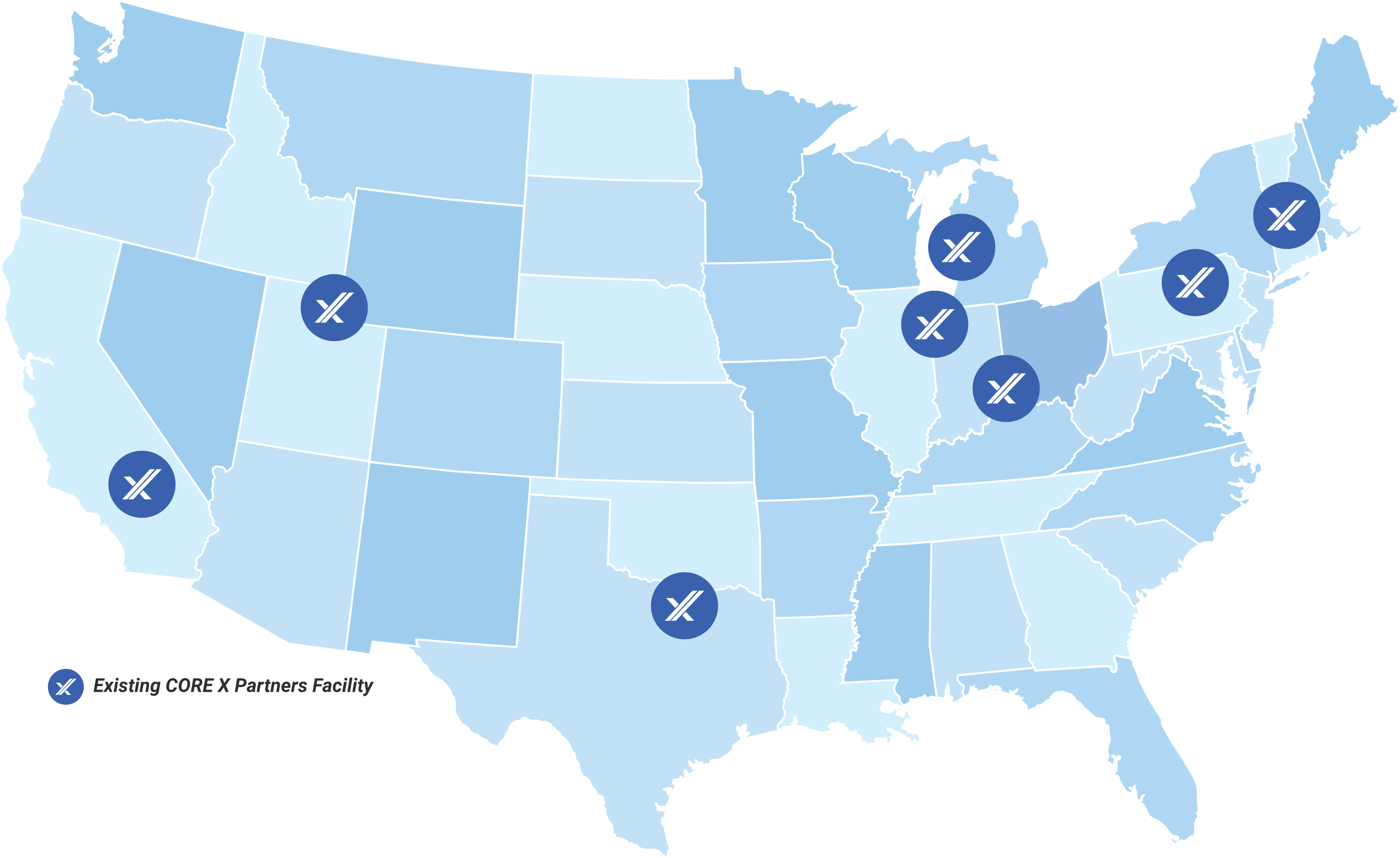

Local Service, Nationwide Network: The CORE X Cold Chain Model- infographic
This infographic presents CORE X’s approach to combining regional cold storage expertise with centralized coordination for storage, freight, reporting, and performance visibility.

Palletization Practices That Protect Refrigerated LTL Loads – Infographic
This infographic breaks down the pallet-building methods that help refrigerated freight stay stable during loading, consolidation, and transportation.

Packaging Built for Cold Freight: What Matters Most- Infographic
This infographic shows how packaging for refrigerated LTL distribution must be engineered for transportation stress, cold environments, and repeated handling—not just warehouse storage.

Packaging Built for Cold Freight: What Matters Most
This infographic shows how packaging for refrigerated LTL distribution must be engineered for transportation stress, cold environments, and repeated handling—not just warehouse storage.

The Top Causes of Damage in Refrigerated LTL Freight-Infographic
This infographic highlights the most common reasons frozen and refrigerated products are damaged during LTL transportation, from weak cartons to unstable pallet builds.

The Top Causes of Damage in Refrigerated LTL Freight-Infographic
This infographic highlights the most common reasons frozen and refrigerated products are damaged during LTL transportation, from weak cartons to unstable pallet builds.

Where Refrigerated LTL Shipments Face the Most Risk -Infographic
This infographic maps the operational stress points that make refrigerated LTL freight more vulnerable than direct full truckload shipping, especially when products move through shared networks and multiple transfer points.

Where Refrigerated LTL Shipments Face the Most Risk -Infographic
This infographic maps the operational stress points that make refrigerated LTL freight more vulnerable than direct full truckload shipping, especially when products move through shared networks and multiple transfer points.

LTL Services for Cold Chain Logistics A Guide to Cost-Efficient Refrigerated Distribution
Frozen and refrigerated food brands rarely ship full truckloads to every destination. Orders typically move in smaller pallet quantities to grocery distribution centers, foodservice distributors, and regional warehouses across multiple markets. While this distribution model provides flexibility, it can also introduce transportation complexity as temperature-sensitive products move through multiple facilities and delivery points. Less-than-truckload (LTL) […]

Measure What Saves Money: KPIs and Visibility for Cold Chain LTL Consolidation Programs
Shipping frozen and refrigerated products through consolidated LTL networks introduces operational complexity that cannot be managed effectively without clear performance visibility. As distribution networks expand across multiple carriers, consolidation facilities, and regional delivery lanes, logistics teams need reliable data to understand how freight is actually performing. Cold chain consolidation programs are often implemented to reduce […]
Find a Facility