Refrigerated Transportation Risk Management: What Happens When the Reefer, Route, or Schedule Fails?
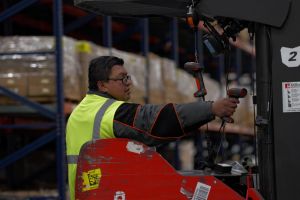
Long-haul refrigerated transportation will never be free of risk. Equipment can fail, weather can close a route, traffic can add hours to transit, and a missed appointment can leave a frozen load waiting longer than planned. The strongest transportation programs do not assume every shipment will run perfectly. They define how the team will respond […]
How to Choose an Integrated Cold Chain Partner Without Losing Regional Strength- Infographic
This infographic explains how food manufacturers and distributors can consolidate storage, transportation, and logistics under one partner while preserving the responsiveness of strong regional operators.
Why Reefer Trailer Loading Pattern Matters More Than Most Frozen Shippers Think
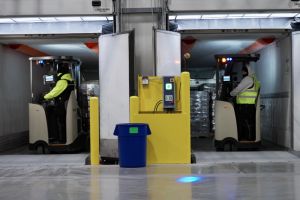
A reefer trailer can be running at the correct set point and still struggle to maintain consistent conditions around the load. The reason often starts with loading. Frozen freight depends on air moving through the trailer as the refrigeration system was designed to circulate it. Pallets that block airflow, press against trailer walls, sit too […]
Frozen Freight Temperature Monitoring: What Should You Actually Measure?
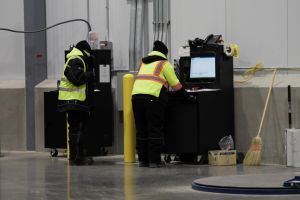
Frozen freight temperature monitoring should answer one practical question: Is the product staying within the conditions required for the shipment? That sounds simple, but the data can be easy to misread. A reefer set point is not the same as product temperature. Supply air and return air tell different parts of the story. A single […]
Long-Haul Frozen Freight Checklist: Controls That Protect Product Quality
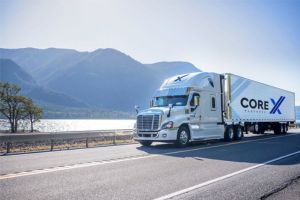
Long-haul frozen freight creates more opportunities for a shipment to move off plan. Miles matter, but so do the hours spent staging, loading, waiting at docks, navigating delays, and responding to equipment or schedule changes. A frozen shipment can leave the warehouse in good condition and still lose quality if temperature, airflow, trailer readiness, or […]

How Can Small and Mid-Size Food Manufacturers Build a Customized Cold Chain Program?
Small and mid-size food manufacturers need a cold chain that can change with the business. Early on, one facility and a straightforward storage plan may be enough. Growth adds new SKUs, seasonal inventory, retailer requirements, smaller shipments, fulfillment work, and new geographic markets. The operating model has to absorb those changes without becoming harder to […]

How a Temperature Exception Becomes a Retail Scorecard Problem – Infographic
A shipment can arrive on time and in full and still fail at receiving. This infographic would show the ripple effect that connects temperature compliance with rejection risk, inventory availability, OTIF, fill rate, and financial performance.

When Should a Growing Food Manufacturer Move Beyond a Single Local Cold Storage Provider?
A local cold storage provider can be exactly what a growing food manufacturer needs. The facility is close to production. The team knows the operation. Communication is direct, and the distribution footprint may still be concentrated in one region. Problems start when the business grows beyond the model that originally worked. New retailers add distribution […]
What Cold Chain Visibility Should a Mid-Size Food Manufacturer Expect From a 3PL?
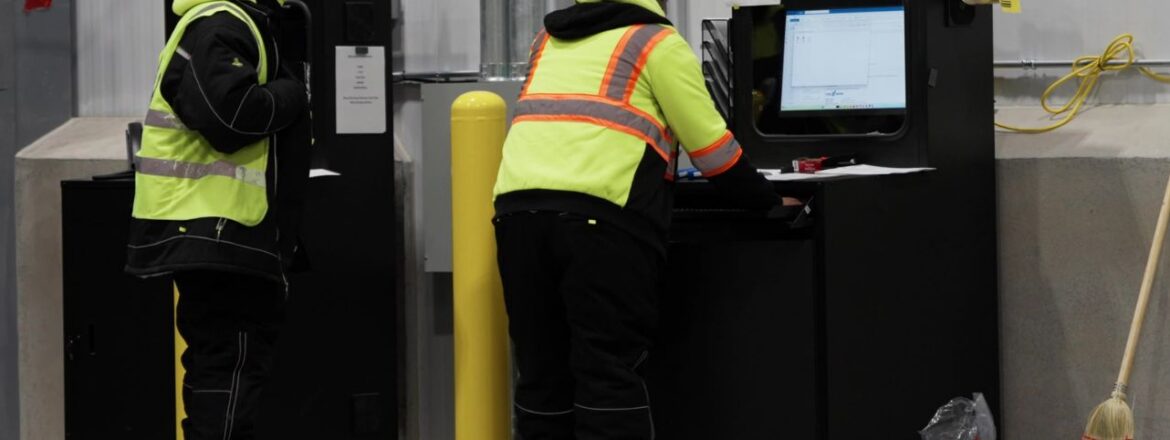
Outsourcing cold storage and transportation should not mean losing control of the operation. Mid-size food manufacturers often reach a point where internal teams need more capacity, better logistics support, or broader regional coverage. A third-party logistics provider can help, but only if the manufacturer can still see what is happening across inventory, orders, temperature records, […]

8 Capabilities to Look for in a Cold Chain 3PL – Infographic
As a food brand expands into more customers, regions, SKUs, and retail requirements, a basic warehouse-and-carrier model can become difficult to manage. This infographic would provide an executive checklist for evaluating a cold chain 3PL built to support growth.
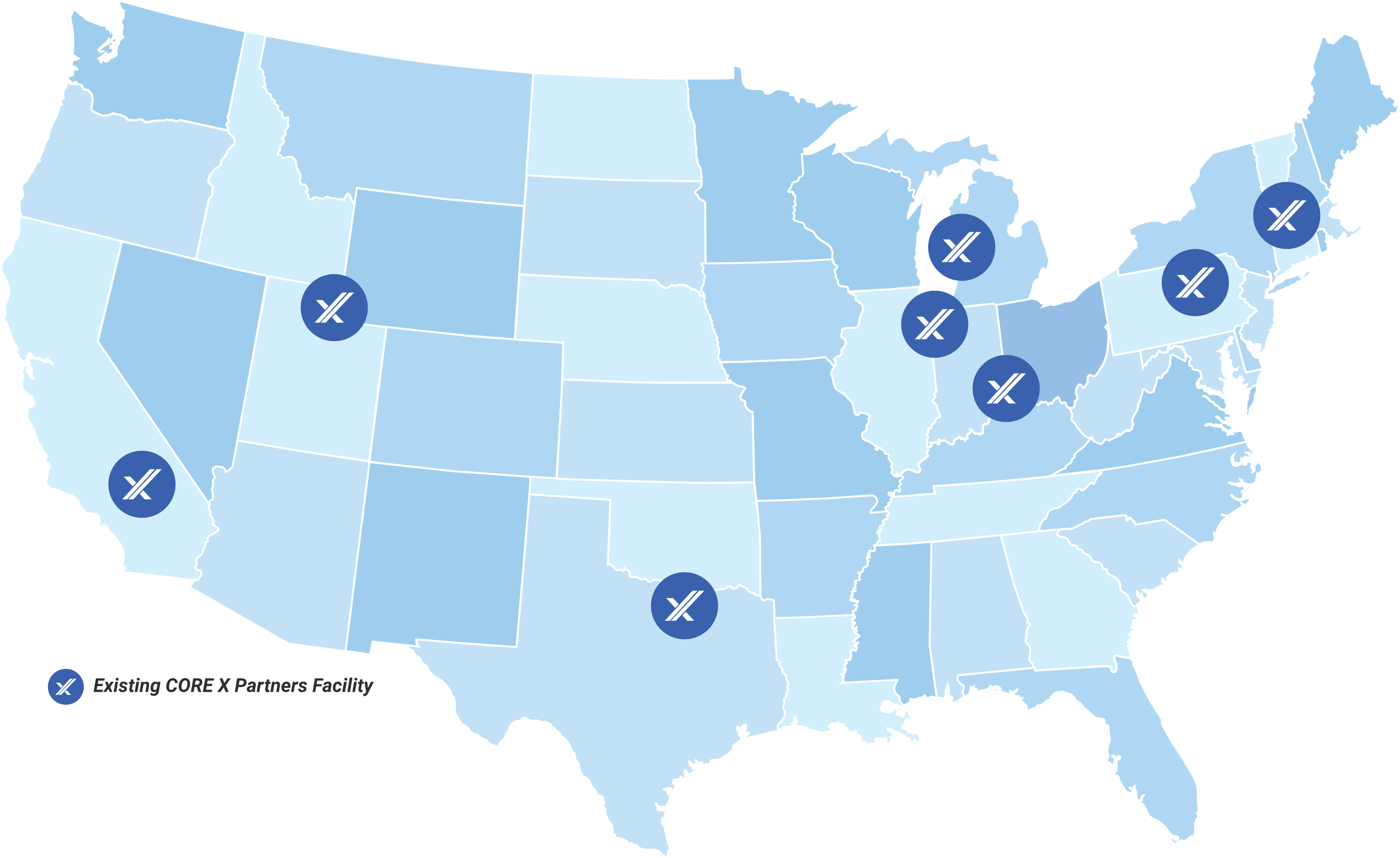
Find a Facility