
Pooling and Cross-Docking for Cold Chain LTL Truck Freight: The Practical Playbook to Cut Freight Spend
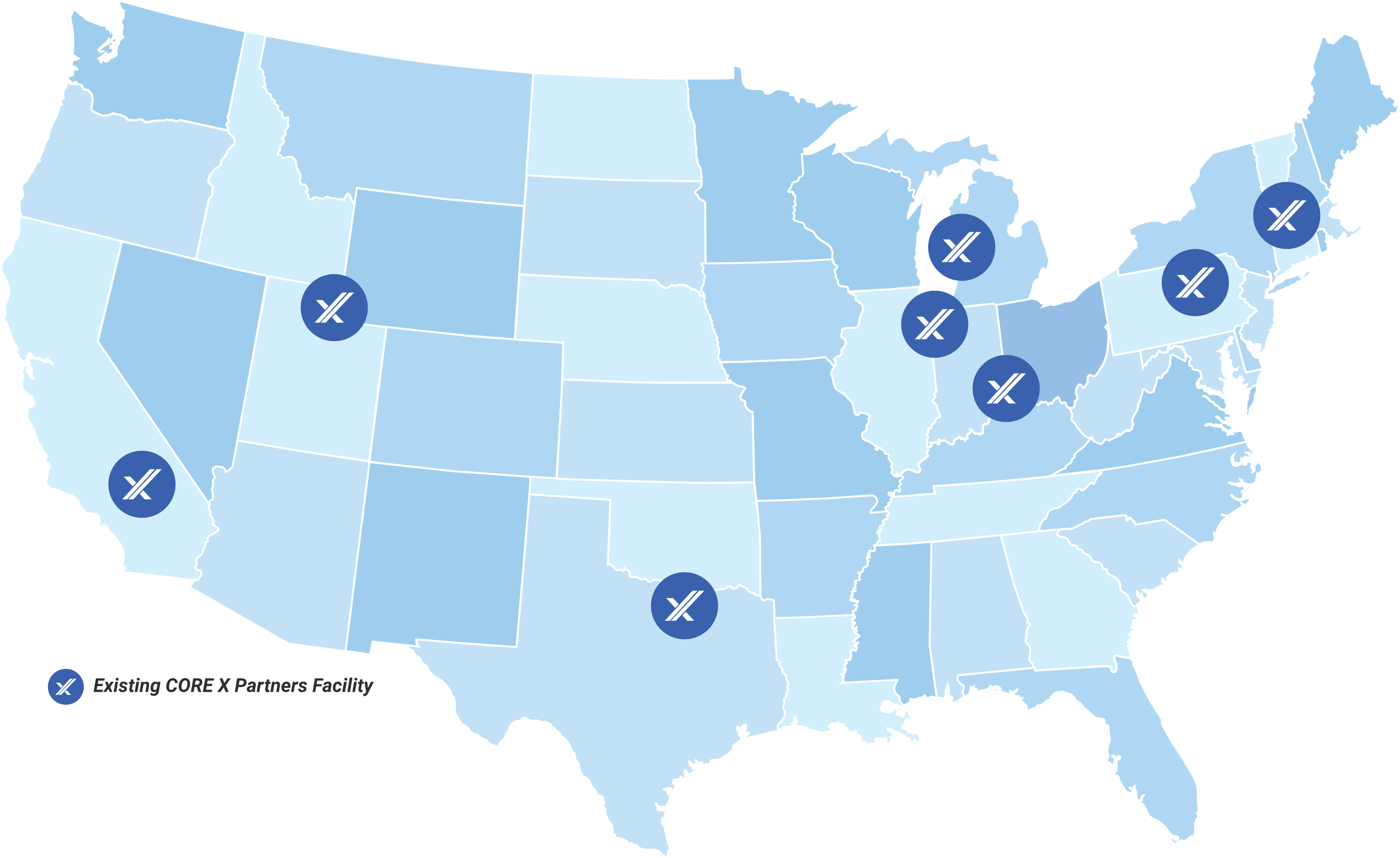
Food brands expanding distribution across multiple regions often rely on less-than-truckload (LTL) shipments to serve grocery distribution centers, foodservice distributors, and regional warehouses. While LTL truck freight provides flexibility for partial pallet shipments, it can also introduce significant cost and operational complexity when refrigerated products move through fragmented freight networks. Traditional LTL systems typically route […]
A Cost-to-Serve Guide for Refrigerated and Frozen LTL
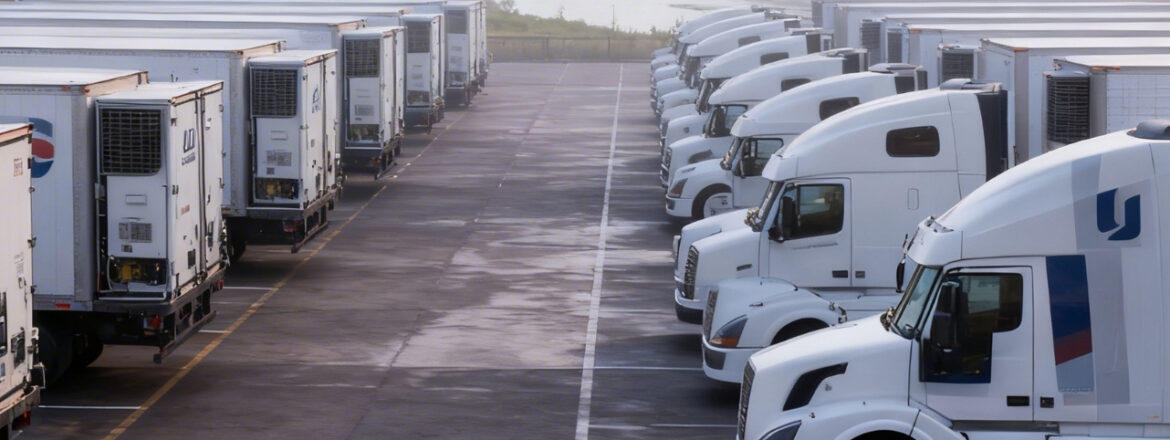
Food brands expanding into new regional markets often rely on frozen LTL shipments to move smaller pallet volumes to grocery distributors, foodservice providers, and retail warehouses. While less-than-truckload (LTL) shipping provides flexibility, it can also introduce hidden logistics costs when refrigerated freight moves through fragmented transportation networks. Understanding cost-to-serve helps supply chain leaders see the […]
LTL Consolidation 101 for Cold Chain: How It Lowers Cost Without Sacrificing Temperature Control
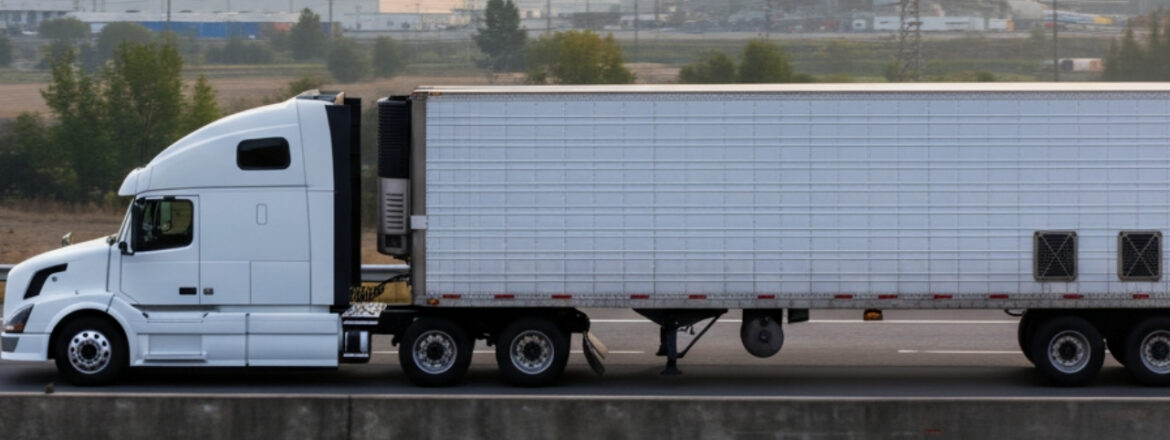
Mid-sized food brands rarely ship enough volume to fill a refrigerated trailer on every lane. Orders often move as partial loads, such as two pallets to a grocery distribution center, four pallets to a foodservice distributor, or several pallets to a regional warehouse. Moving these shipments individually through traditional Less-Than-Truckload (LTL) networks quickly becomes expensive […]

Nationwide Coverage with Local Execution: The Cold-Chain Model That Scales- Infographic
Scaling frozen and refrigerated freight takes more than a broad network. This infographic explains why nationwide coverage works best when paired with local execution, helping cold-chain operations stay consistent across regions while adapting to the real-world conditions that affect performance in each market.
Cold Chain Logistics vs. Standalone Refrigerated Shipping: What’s the Difference- Infographic
Refrigerated shipping plays an important role in temperature control, but it is only one part of the bigger picture. This infographic explains how cold chain logistics goes further by coordinating storage, staging, handling, and transportation to reduce risk and support more reliable end-to-end performance.
The Building Blocks of Reliable Frozen & Refrigerated Logistics – Infographic
Reliable frozen and refrigerated logistics depends on more than refrigerated transportation alone. This infographic breaks down the key components that support temperature stability, reduce handoff risk, and help create stronger accountability, compliance, and day-to-day cold chain performance.

Frozen Freight Shipping Isn’t Just the Truck: Every Cold-Chain Touchpoint Matters- Infographic
Visualize the full journey of frozen and refrigerated freight—from docks and staging to storage and transit—and spotlight where temperature failures are most likely to happen. This infographic frames frozen freight as a coordinated cold-chain system, not a single transportation event.

How Mid-Sized Food Brands Build a Scalable Frozen and Refrigerated Distribution Network Across North America
Mid-sized food brands build a scalable frozen and refrigerated distribution network across North America by aligning cold storage placement, freight engineering, warehousing models, technology integration, and compliance governance under a coordinated operating structure. Scalable growth depends on integration, not simply on adding facilities or transportation capacity. When storage, freight, and logistics operate as a single […]


Scaling Without Losing Quality: Cold Chain Compliance, Food Safety, and Risk Planning Across North America
Cold chain compliance becomes more demanding as food brands scale. Expanding from one region into multiple distribution markets introduces more handoffs, more dwell points, more facilities, and more regulatory exposure. For mid-sized food manufacturers, growth without compliance discipline creates risk that compounds faster than volume. Maintaining cold chain compliance across North America requires defined temperature […]
Find a Facility