
Shipping frozen and refrigerated products through consolidated LTL networks introduces operational complexity that cannot be managed effectively without clear performance visibility. As distribution networks expand across multiple carriers, consolidation facilities, and regional delivery lanes, logistics teams need reliable data to understand how freight is actually performing.
Cold chain consolidation programs are often implemented to reduce transportation costs and improve trailer utilization. However, those benefits only materialize when companies consistently measure the operational indicators that influence cost, service reliability, and product protection. Without defined performance metrics, inefficiencies in carrier operations, consolidation planning, and delivery coordination can remain hidden until freight invoices or customer complaints reveal the problem.
Talk To A Cold Chain Specialist
This is why key performance indicators (KPIs) play a central role in cold chain LTL consolidation programs. When logistics teams measure the right indicators and review them consistently, they gain the visibility needed to identify operational issues, reduce accessorial exposure, and improve freight efficiency across the network.
Which KPIs Actually Matter for Cold Chain LTL Consolidation?
Cold chain logistics generates large volumes of operational data, but not every metric reveals whether consolidation strategies are improving transportation performance. Effective KPI frameworks focus on indicators that directly influence cost, service reliability, and product protection.
Several performance indicators consistently provide the most meaningful insight into refrigerated LTL consolidation performance.
| KPI | What It Measures | Why It Matters |
|---|---|---|
| Cost per case | Total transportation cost relative to product volume shipped | Reveals whether consolidation is improving freight efficiency |
| Cost per mile | Transportation cost relative to distance traveled | A common metric used to evaluate overall freight efficiency |
| On-time delivery rate | Percentage of shipments delivered within scheduled delivery windows | Indicates service reliability and carrier performance |
| Dwell time | Time shipments spend waiting during loading, unloading, or terminal transfers | Longer dwell times often increase detention charges and delivery delays |
| Temperature events | Frequency of temperature excursions during storage or transport | Critical indicator for protecting refrigerated and frozen product integrity |
| Claims rate | Percentage of shipments with damage, loss, or product discrepancies | Identifies packaging, handling, or transportation issues |
According to research, such as Performance measurement in freight transport, a poor choice of metrics can induce the wrong behavioural response. It is imperative for brands to evaluate the right performance metrics to ensure efficient distribution and high-quality products.
KPIs such as cost per mile and on-time delivery performance are among the most widely used transportation indicators for evaluating carrier performance and freight efficiency. Tracking these indicators across consolidation lanes helps logistics teams determine whether transportation strategies are delivering the expected financial benefits.
Monitoring these KPIs consistently allows companies to evaluate not only transportation cost, but also the operational stability of their refrigerated distribution network. Partnering with an experienced cold-chain storage and logistics provider like CORE X Partners ensures continual monitoring with real-time visibility into all products at all stages of the cold-chain network.
Why Visibility Matters in Multi-Carrier Cold Chain LTL Networks
Cold chain distribution networks often rely on multiple carriers operating across different regions and consolidation points. As shipments move through several facilities and transportation partners, maintaining visibility across the entire freight journey becomes increasingly important.
Without centralized operational visibility, logistics teams may struggle to identify where service issues originate. Delivery delays, detention charges, and accessorial fees can accumulate across shipments without clear insight into their underlying causes.
Operational visibility allows logistics teams to identify patterns such as:
- recurring delays within specific freight lanes
- higher dwell times at particular distribution centers
- repeated accessorial charges linked to scheduling issues
- temperature monitoring alerts during specific stages of transit
These insights help logistics teams correct operational issues before they escalate into larger cost problems. Visibility across carriers, facilities, and transportation lanes also helps organizations evaluate whether consolidation programs are improving efficiency as expected.
In multi-carrier refrigerated LTL networks, visibility is the foundation for controlling both service performance and transportation cost.

Exception Workflows: Managing Problems Before They Increase Cost
Even well-designed consolidation programs experience operational disruptions. Late appointments, missed pickups, and temperature alerts can quickly affect delivery performance if they are not addressed through structured exception workflows.
Exception management helps logistics teams respond to problems quickly and identify patterns that may require operational adjustments. When exceptions are documented and tracked consistently, teams gain the information needed to prevent similar issues from recurring.
Common cold chain LTL exceptions include:
- Late delivery appointments – Missed delivery windows at retail distribution centers often trigger detention charges or re-delivery fees.
- OS&D incidents (Over, Short, and Damaged) – Discrepancies between shipped and received quantities or visible freight damage require immediate documentation and investigation.
- Missed pickups – Pickup failures can disrupt consolidation planning and delay shipments across an entire lane.
- Temperature monitoring alerts – Temperature deviations must be investigated quickly to ensure product integrity is not compromised.
When companies define clear exception workflows, issues can be escalated quickly and resolved before they create additional cost. Structured processes also provide the documentation needed to analyze patterns and correct operational issues over time.
Why Reporting Cadence Drives Continuous Improvement
Tracking KPIs alone does not improve freight performance. The data must be reviewed consistently and translated into operational decisions. Establishing a regular reporting cadence helps logistics teams monitor performance trends and identify opportunities to improve LTL cold chain consolidation efficiency.
Most cold chain logistics programs rely on two levels of performance review.
Weekly Lane Reviews
Weekly reviews focus on the operational performance of individual freight lanes. These meetings typically examine:
- on-time delivery performance
- dwell times at facilities
- exception trends
- emerging accessorial patterns
Because refrigerated freight often moves through structured consolidation lanes, reviewing performance weekly helps teams quickly detect operational disruptions.
Monthly Performance Reviews or QBRs
Monthly reviews or quarterly business reviews (QBRs) provide a broader view of network performance. These discussions often evaluate:
- carrier scorecards
- claims rates and OS&D trends
- consolidation efficiency
- accessorial costs across lanes
This structured reporting schedule ensures that KPI data translates into actionable improvements rather than remaining unused in operational reports.

Using Root-Cause Analysis to Reduce Accessorials and Service Failures
When accessorial charges or service disruptions occur repeatedly, the underlying issue is often operational rather than carrier-related. Root-cause analysis helps logistics teams identify the conditions that trigger these problems.
Common root causes may include:
- delivery appointments scheduled too tightly for carrier transit times
- dock congestion at specific facilities
- consolidation planning that creates inconsistent shipment volumes
- packaging or palletization issues that contribute to claims
By analyzing KPI trends and exception data together, logistics teams can identify patterns that might not be obvious when reviewing individual shipments. Once the underlying cause is identified, operational adjustments can reduce the likelihood of the issue recurring.
Over time, these improvements help stabilize transportation performance and reduce unnecessary accessorial charges.
Forecasting Lane Density to Increase Consolidation Opportunities
Successful LTL consolidation programs depend heavily on lane density, the volume of shipments moving consistently between two geographic regions. When shipment volumes are predictable, freight planners can consolidate partial loads more efficiently and improve trailer utilization.
Forecasting lane density helps logistics teams identify where consolidation opportunities exist.
Important forecasting inputs include:
- historical shipment volumes by region
- seasonal demand patterns
- customer order frequency
- promotional or retail distribution cycles
When these factors are analyzed together, logistics teams can anticipate periods of higher shipment density and plan consolidation strategies accordingly. Greater lane density allows freight to move in fuller trailers, which reduces transportation cost per shipment and improves overall network efficiency.

How CORE X Creates Visibility Across Cold Chain LTL Consolidation Programs
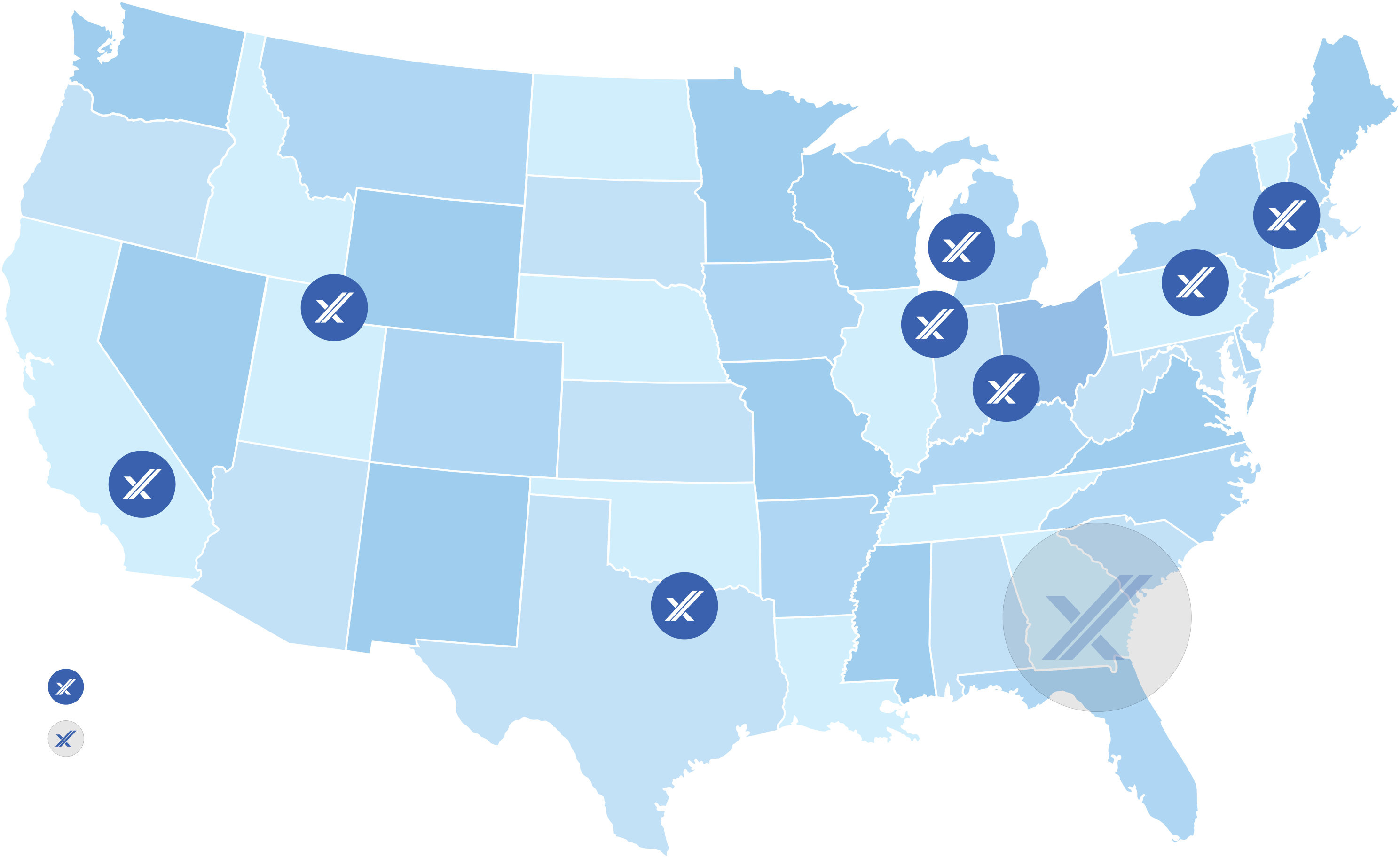
Managing consolidation performance across multiple carriers and facilities can quickly become complex. CORE X Partners simplifies this process by operating a nationwide temperature-controlled logistics network built on shared operational standards.
Local Service. Nationwide Network.
CORE X facilities operate locally but follow consistent processes across the network, allowing refrigerated shipments to move through coordinated consolidation and transportation systems.
Several advantages result from this integrated approach:
- Standardized KPI measurement across facilities and consolidation lanes
- Centralized reporting visibility for transportation performance and exception trends
- Coordinated consolidation planning across multiple regions
- Aligned operating procedures that stabilize carrier performance and reduce accessorial exposure
By combining local operational expertise with nationwide coordination, CORE X helps food brands maintain visibility across their refrigerated distribution network while improving consolidation efficiency.
Cold chain LTL consolidation programs deliver the greatest value when companies measure the operational indicators that influence both cost and service performance. KPIs such as cost per case, cost per mile, on-time delivery rates, dwell time, temperature events, and claims rates provide the visibility needed to evaluate consolidation strategies across freight lanes.
When these indicators are reviewed consistently and supported by structured exception workflows, logistics teams can identify operational issues early and implement improvements that stabilize performance and reduce accessorial exposure.
CORE X Partners delivers integrated temperature-controlled logistics designed to help food brands move frozen and refrigerated products efficiently across expanding distribution networks. Our nationwide network aligns cold storage, consolidation planning, and transportation coordination to improve visibility and control transportation costs. Contact CORE X Partners to learn how cold chain consolidation programs can strengthen your refrigerated distribution network.
Send a message