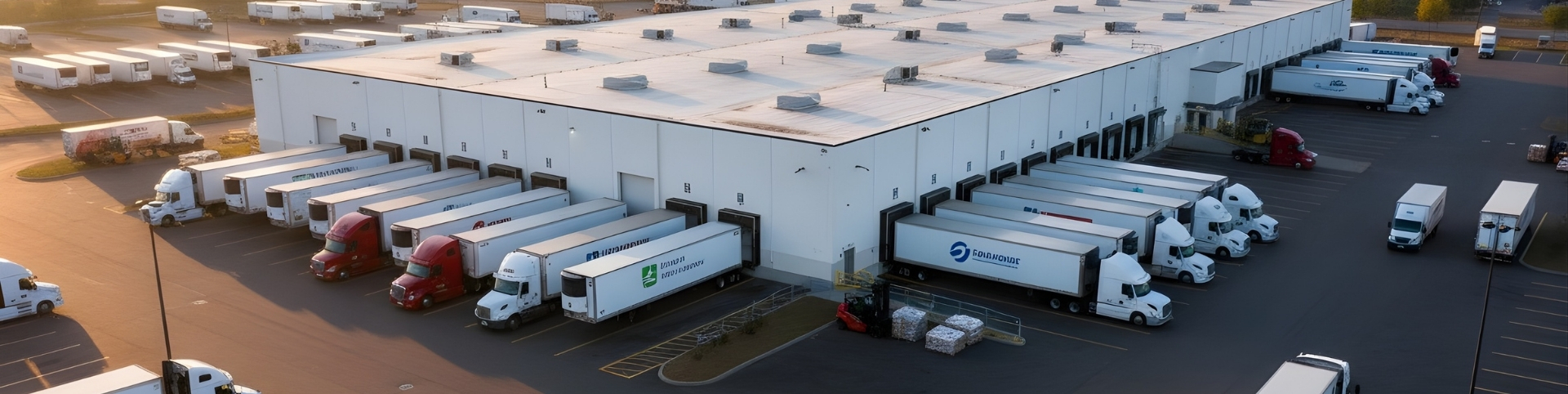
Shipping frozen and refrigerated products through less-than-truckload (LTL) networks requires careful coordination between carriers, storage facilities, and delivery schedules. Unlike full truckload freight that moves directly from origin to destination, refrigerated LTL shipments often travel through shared transportation networks before reaching the final customer. Each step introduces variables that influence cost, service reliability, and temperature protection.
For growing food brands, the cost of refrigerated LTL shipping is rarely determined by base freight rates alone. Carrier network coverage, delivery conditions, consolidation strategies, and operational discipline all influence the final transportation cost. This is why many companies eventually discover that managing the LTL carrier mix is just as important as negotiating the initial shipping rate.
Talk To A Cold Chain Specialist
Cold chain distribution networks typically rely on multiple carriers operating across different regions. National carriers provide wide geographic coverage, while regional carriers often offer stronger density and service reliability in specific markets. Working with a cold chain logistics partner that operates under a consistent nationwide operating model can simplify this challenge.
Understanding how LTL carrier strategy influences pricing, service performance, and accessorial exposure helps logistics teams design transportation programs that support growth without introducing unnecessary cost.
Why the Right LTL Carrier Mix Matters in Cold Chain Distribution
Carrier strategy plays a major role in how efficiently refrigerated LTL freight moves through a distribution network. Freight lanes, terminal density, and service coverage all influence both transit reliability and total transportation cost.
Cold chain distribution networks often rely on a mix of national and regional carriers. National carriers provide broad geographic reach, while regional carriers frequently offer stronger service density within specific markets. When shipments move through carriers that operate efficiently within their established service corridors, freight typically travels through fewer terminals and reaches its destination more predictably.
This is where network coordination becomes important. When carrier selection, consolidation planning, and storage operations follow consistent procedures across regions, transportation performance stabilizes and cost variability decreases.
A structured carrier strategy helps logistics teams reduce unnecessary transfers, control accessorial exposure, and maintain reliable delivery performance as refrigerated distribution networks expand.
What are Accessorial Charges in LTL Shipping?
In LTL transportation, accessorials are additional fees charged when shipments require services beyond standard pickup and delivery. Because LTL freight moves through shared distribution networks and serves a wide range of delivery environments, these additional services occur frequently.
Common LTL accessorial charges include:
- Liftgate service for facilities without dock access
- Appointment scheduling for retail or grocery distribution centers
- Detention charges when drivers must wait during loading or unloading
- Inside delivery or driver assist services
- Residential delivery fees
Industry logistics studies indicate that accessorials can account for roughly 5% of total LTL shipping costs, although that percentage can rise significantly when delivery coordination is inconsistent or when facilities are not prepared for scheduled freight arrivals.
In cold chain logistics, accessorial exposure often increases because refrigerated deliveries frequently involve strict appointment windows, temperature handling requirements, and busy retail distribution centers. When delivery coordination breaks down, accessorial charges can quickly accumulate across shipments.
Understanding where these fees originate is the first step toward controlling them.

Why Accessorial Costs Increase in Refrigerated LTL Distribution
Accessorial charges rarely appear randomly on freight invoices. In most cases, they reflect operational friction somewhere in the transportation process.
Several conditions commonly drive higher accessorials in refrigerated LTL distribution:
- Strict retail delivery windows that require precise appointment scheduling
- Dock congestion at large grocery distribution centers that delays unloading
- Partial shipments delivered across multiple customers within the same region
- Facilities that are not prepared for refrigerated freight arrivals
When these issues occur repeatedly, accessorial charges accumulate across shipments and significantly increase total transportation cost.
As distribution networks expand across multiple regions, managing these operational variables becomes just as important as negotiating the base shipping rate. Many companies find that controlling accessorial exposure requires both carrier strategy and operational discipline across the transportation network.
How to Structure LTL Carrier Bids by Lane and Region
Negotiating refrigerated LTL rates effectively requires more than requesting a blanket rate table from multiple carriers. Because LTL carriers price shipments based on network density and lane efficiency, bid strategies should focus on specific lanes and regions rather than treating transportation as a single national program.
A lane-based bid strategy evaluates how freight moves across the distribution network and aligns carriers with the regions where they operate most efficiently.
Important factors to evaluate include:
- Shipment density by region – Lanes with consistent freight volume often support stronger pricing because carriers can plan trailer utilization more efficiently.
- Terminal coverage and service maps – Carriers with dense terminal networks in a region typically move freight through fewer transfer points, reducing both cost and transit variability.
- Consolidation opportunities – When shipments are consolidated before linehaul transport, carriers may offer better pricing because freight moves in larger volumes.
- Delivery requirements – Appointment scheduling, retail delivery conditions, and dock availability can influence the real cost of each lane.
Comparing carriers based only on baseline haul rates rarely reveals the full cost of moving freight. Logistics teams must also evaluate accessorial exposure, transit reliability, and handling complexity when determining the most efficient carrier mix for each region.
When carriers are aligned with the lanes where they operate most effectively, both transportation cost and delivery consistency improve.

Setting Service Expectations for Cold Chain LTL Carriers
Cold chain logistics requires more than basic freight transportation. Refrigerated shipments must be handled according to defined temperature procedures and documentation standards to protect product integrity throughout the distribution process.
Establishing clear service expectations helps ensure that every LTL carrier involved in the network follows consistent handling practices.
Key service expectations for cold chain LTL carriers often include:
- Temperature handling procedures – Clear protocols for managing frozen and refrigerated freight during pickup, terminal transfers, and final delivery.
- Claims handling and documentation – Defined procedures for investigating damage or temperature exposure events and documenting freight conditions during delivery.
- OS&D processes (Over, Short, and Damaged) – Standard reporting procedures when shipments arrive with missing product, visible damage, or quantity discrepancies.
- Delivery communication standards – Clear processes for appointment scheduling, delivery confirmation, and exception reporting.
When these service standards are not clearly defined, carriers may apply inconsistent handling procedures across shipments. In refrigerated distribution networks, inconsistent practices can increase the risk of product damage, temperature excursions, and customer service disruptions.
Defining service expectations at the beginning of a carrier relationship helps stabilize performance and reduce operational variability across the network.
Why Standard Operating Procedures Stabilize Carrier Performance
When multiple carriers participate in the same refrigerated LTL network, operational consistency becomes essential. Without shared processes, each carrier may follow different procedures for scheduling deliveries, managing exceptions, and documenting freight conditions.
Standard operating procedures (SOPs) help ensure that all carriers follow the same expectations across the distribution network. Effective SOP frameworks typically include:
- Standard appointment scheduling practices for retail and distribution center deliveries
- Consistent documentation requirements for pickup, delivery, and claims reporting
- Defined escalation procedures when delays or service disruptions occur
- Clear temperature handling protocols for refrigerated and frozen freight
Standardized procedures stabilize both service performance and cost management. When carriers follow the same operational processes, logistics teams gain better visibility into freight movement and reduce the likelihood of unexpected accessorial charges.
SOP alignment becomes especially important as distribution networks expand across multiple regions and involve several carrier partners.
How CORE X Simplifies LTL Carrier Strategy Through a Nationwide Network
Managing multiple carriers across a growing refrigerated distribution network can quickly become complex. Each carrier may operate with different service expectations, documentation practices, and appointment procedures. When freight moves through several regions, these differences can lead to inconsistent delivery performance and higher exposure to accessorial charges.
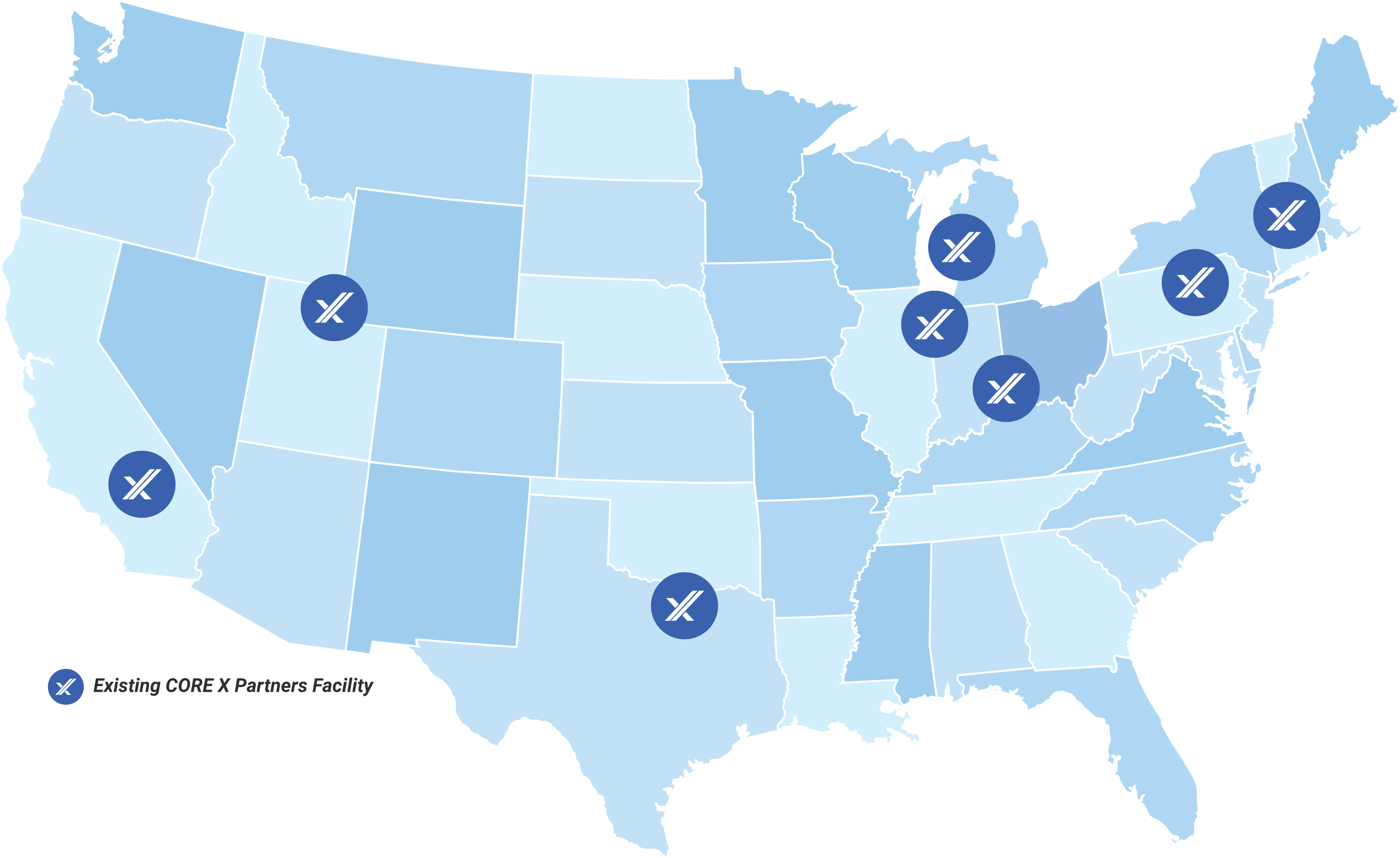
CORE X Partners simplifies this challenge by operating a nationwide temperature-controlled logistics network built on shared operating standards.
Local Service. Nationwide Network.
Instead of coordinating multiple independent providers across different markets, food brands work with a single network that aligns cold storage, consolidation, and transportation practices.
Several advantages emerge from this integrated model:
- Local expertise within a nationwide network – CORE X facilities operate locally but follow the same operational standards across the network, helping stabilize service performance in every region.
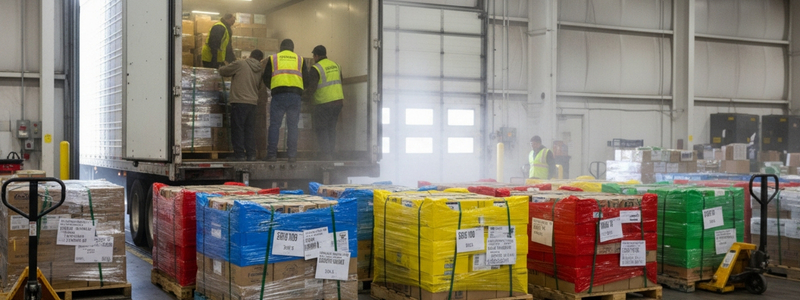
- Coordinated consolidation and freight planning – Shipments moving through CORE X facilities can be staged, consolidated, and routed using shared logistics processes that reduce fragmented LTL movement.
- Standardized operating procedures – Appointment scheduling, temperature handling, documentation, and claims processes follow consistent protocols across the network.
- Reduced accessorial exposure – When dock scheduling, consolidation planning, and carrier coordination are aligned, the likelihood of detention, re-delivery attempts, and appointment penalties decreases.
- Experienced cold chain logistics teams – Professionals who understand frozen and refrigerated freight requirements help manage carrier coordination, documentation standards, and temperature protection throughout the distribution process.
This structure allows growing food brands to expand distribution without managing a patchwork of regional providers and carrier agreements. Instead, they gain access to a coordinated cold chain network designed to support efficient refrigerated LTL movement across multiple markets.
Managing refrigerated LTL shipping costs requires more than negotiating transportation rates. Carrier selection, consolidation strategy, and operational discipline all influence the total cost of moving frozen and refrigerated products across a distribution network.
By aligning carrier mix with freight lanes, controlling accessorial exposure, and establishing consistent operating procedures, food brands can improve both transportation efficiency and delivery performance. These strategies become especially important as distribution expands across multiple regions.
CORE X Partners delivers integrated temperature-controlled logistics designed to help food brands move frozen and refrigerated products efficiently across expanding distribution networks. Our nationwide network aligns cold storage, freight planning, and consolidation strategies to protect product integrity while controlling transportation costs. Contact CORE X Partners to learn how optimized LTL carrier strategies can strengthen your refrigerated distribution network.
Send a message