

Moving frozen and refrigerated products through refrigerated LTL networks introduces a level of handling complexity that many food brands underestimate. Unlike full truckload shipments that travel directly from origin to destination, less-than-truckload (LTL) freight often moves through multiple transfer points before final delivery. Each transfer increases the chance of load instability, carton damage, or product exposure.
Damage during transportation is not a minor operational issue. Industry packaging studies referenced by the International Safe Transit Association (ISTA) emphasize that distribution environments involving repeated handling, vibration, and stacking pressure require packaging systems designed specifically for multi-stop freight movement. When packaging and pallet configurations are not designed for these conditions, products become vulnerable to compression damage, shifting loads, and structural failure during transit.
Talk To A Cold Chain Specialist
These risks increase when shipments move through refrigerated freight consolidation programs, where multiple partial shipments share trailer space and pass through temperature-controlled staging points before final delivery. Preventing damage in these environments requires disciplined packaging design and proper palletization.
Understanding where damage occurs is the first step toward reducing it.
Operational Factors That Increase Risk in Refrigerated LTL Shipments
Refrigerated LTL shipments experience greater physical stress than full truckload freight because they move through shared partial-load networks and may be handled multiple times before reaching their destination.
Several operational factors contribute to increased risk:
- Multiple handling events – LTL freight frequently moves through cross-dock terminals where shipments are unloaded, sorted, and reloaded onto new trailers. Each transfer introduces additional opportunities for pallet shifting or carton compression.
- Temperature-controlled environments – Cold storage environments introduce moisture, condensation, and low temperatures that can weaken packaging materials if they are not designed for refrigerated conditions.
- Longer transit paths – Because LTL freight moves through shared transportation lanes, shipments often travel longer routes and remain in transit longer than direct truckload shipments. Extended transit times increase exposure to vibration, compression forces, and handling stress.
These conditions make packaging design and pallet stability critical to protecting refrigerated shipments. Loads that are properly constructed for the realities of refrigerated LTL distribution move through the network with significantly lower damage risk.
Common Causes of Damage in Refrigerated LTL Shipments
Damage in refrigerated LTL freight rarely results from a single failure point. In most cases, it develops from a combination of packaging weaknesses and pallet instability within multi-stop distribution environments.
Several factors consistently contribute to higher damage rates:
- Weak carton construction – Frozen and refrigerated environments introduce moisture and condensation that can weaken standard corrugated cartons. Packaging designed for dry storage often loses structural strength in cold environments, increasing the risk of carton collapse when pallets are stacked.
- Improper pallet stacking patterns – Inconsistent stacking creates uneven weight distribution across the pallet. When cartons are misaligned or stacked beyond their compression strength, loads become unstable during transport.
- Insufficient pallet containment – Stretch wrap or strapping that is too loose allows cartons to shift during transit. Load movement increases the likelihood of crushed corners, leaning pallets, and product damage during handling.
- Carton overhang – Boxes extending beyond pallet edges are especially vulnerable during refrigerated LTL consolidation. Overhang exposes cartons to impact from forklifts, neighboring pallets, and trailer walls.
- Mixed pallet heights during consolidation – When pallets of varying heights are loaded together, taller loads may place pressure on shorter ones. Uneven stacking creates compression points that weaken carton integrity.
Addressing these structural issues helps refrigerated LTL shipments move through consolidation networks with fewer damage incidents and more consistent product protection.
Packaging Design That Supports Refrigerated LTL Distribution
Packaging designed for warehouse storage does not function comparably when used for refrigerated freight. Because LTL shipments experience additional handling, vibration, and load pressure, packaging must be engineered to withstand transportation stresses as well as temperature-controlled environments.
Several packaging design practices improve durability during refrigerated transport:
- Moisture-resistant corrugated materials – Refrigerated and frozen environments can introduce condensation that weakens standard cardboard. Corrugated or plastic cartons designed for cold environments maintain compression strength and resist structural failure during stacking and transport.
- Reinforced carton corners and edges – Strengthened edges help cartons withstand vertical compression when pallets are stacked or when loads experience pressure during transit.
- Consistent carton dimensions – Standardized box sizes allow pallets to stack evenly and eliminate gaps that can destabilize loads during transportation.
- Internal product cushioning – Protective inserts or liners absorb vibration during transportation, reducing the risk of product breakage.
Packaging engineered for cold freight LTL shipping helps protect products as shipments move through multi-stop distribution networks.
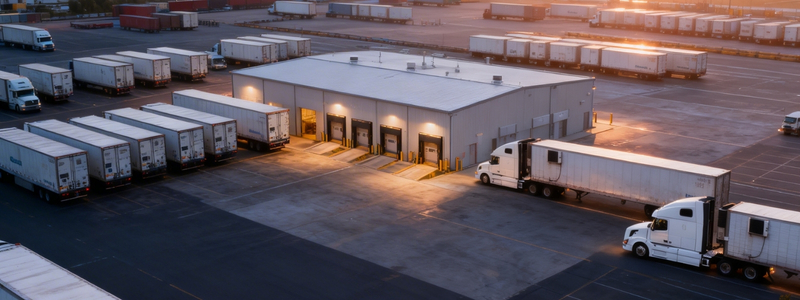
Palletization Practices That Reduce Damage in Refrigerated LTL Transport
Even well-designed packaging can fail if pallets are not constructed properly. Palletization determines how freight behaves during loading, consolidation, and transportation.
Several pallet-building practices significantly improve load stability during refrigerated LTL transportation:
- Use consistent pallet footprints – Standard pallet sizes help loads fit securely inside trailers and reduce movement during transport.
- Avoid carton overhang – Cartons extending beyond pallet edges are vulnerable to forklift impact and compression during consolidation.
- Build interlocking stack patterns – Interlocking stacking distributes weight more evenly across the pallet and reduces load shifting during transit.
- Apply proper stretch wrap containment – Stretch wrap should provide sufficient containment force to secure cartons together and stabilize the entire load.
When pallets are built with transportation conditions in mind, refrigerated LTL shipments move through consolidation networks with greater stability and fewer damage incidents.
How Refrigerated LTL Consolidation Changes Packaging Requirements
Freight consolidation improves transportation efficiency but also changes how products move through the distribution network. When shipments travel through refrigerated LTL consolidation programs, they may share trailer space with other freight and pass through staging facilities before final delivery.
These conditions require packaging that performs reliably during consolidation and multi-stop transportation.
- Stronger carton compression strength – Consolidated loads often involve stacking pallets together inside trailers. Cartons must withstand additional vertical pressure without collapsing.
- Improved pallet containment – Because consolidated freight may shift during long linehaul segments, proper stretch wrap containment helps stabilize loads and prevent carton movement.
- Clear labeling and orientation markings – Visible handling instructions help warehouse and cross-dock teams move freight correctly during staging and transfer.
When packaging and pallet design align with the operational realities of refrigerated LTL consolidation, shipments move through the network more safely and efficiently.
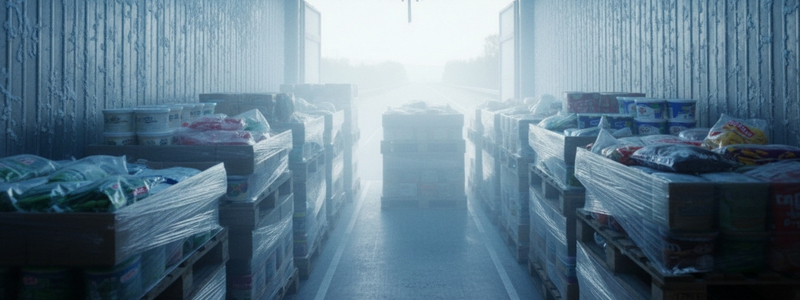
How CORE X Supports Reliable refrigerated LTL Consolidation
CORE X Partners structures refrigerated LTL consolidation programs to protect product integrity while improving transportation efficiency. By aligning temperature-controlled storage, freight planning, and disciplined load coordination, CORE X helps food brands move partial shipments across regional and national markets with greater control.
Key elements of the CORE X approach include:
- Temperature-controlled staging facilities – Strategically located cold storage facilities provide controlled environments where compatible refrigerated shipments can be staged before linehaul transport.
- Freight consolidation across regional lanes – CORE X groups compatible shipments moving toward the same markets, improving trailer utilization and reducing fragmented LTL movements.
- Coordinated storage and transportation planning – Because storage and freight operations operate within the same network, dock schedules, load planning, and lane coordination remain aligned.
- Reduced handling and transfer risk – Consolidation through temperature-controlled facilities helps minimize unnecessary handling events and protects products during staging and loading.
- Improved visibility and freight coordination – Integrated logistics planning helps maintain predictable freight movement while supporting temperature integrity across the transportation process.
This coordinated structure allows food brands to scale refrigerated distribution without sacrificing product protection or freight efficiency.
Damage in refrigerated LTL transportation typically stems from packaging limitations, unstable pallet construction, or freight movement through fragmented distribution networks. Strengthening packaging design and palletization practices helps shipments move through consolidation environments with greater stability and protection.
CORE X Partners delivers integrated temperature-controlled logistics designed to help food brands move frozen and refrigerated products efficiently across expanding distribution networks. Our nationwide network aligns cold storage, freight planning, and consolidation strategies to protect product integrity while controlling transportation costs. Contact CORE X Partners to learn how refrigerated LTL consolidation can strengthen your cold chain distribution strategy.
Send a message