How Food Brands Can Reduce Cold Chain Transportation Costs with LTL Consolidation
Temperature controlled LTL transportation is one of the most expensive components of the food supply chain. For brands that rely on less-than-truckload (LTL) shipments to move refrigerated and frozen products, cost pressures are often exacerbated by underutilized capacity, repeated handling, and fragmented routing. As volumes grow and distribution networks expand, these inefficiencies quickly compound.
Consolidating temperature-controlled LTL freight is a proven way to reduce transportation costs while maintaining the temperature control required to protect product quality. When executed correctly, consolidation reduces per-pallet expense, improves delivery consistency, and limits exposure risk across the cold chain.
This article explains how temperature-controlled LTL transportation consolidation works, where the cost savings come from, and how food brands can use it strategically without compromising compliance or product integrity.
Speak With A Cold Chain Specialist
Why Temperature Controlled LTL Transportation Costs Continue to Rise
LTL transportation is often unavoidable for food brands that do not consistently ship full truckloads. However, refrigerated and frozen LTL introduces structural cost challenges that are difficult to offset through rate negotiation alone.
Traditional LTL networks rely on hub-and-spoke routing, moving freight through multiple terminals before reaching its destination. Each transfer adds handling cost, dwell time, and temperature exposure. For cold chain freight, these inefficiencies are amplified:
- Partial trailer utilization increases the cost per pallet
- Multiple pickup and delivery events trigger accessorial charges
- Fragmented routing reduces consistency and predictability
- Repeated handling increases temperature risk and quality exposure
Over time, these factors erode margins and increase the likelihood of service failures, especially during seasonal volume peaks when refrigerated capacity is constrained.
What Temperature-Controlled LTL Consolidation Actually Does
Consolidating temperature-controlled LTL transportation restructures how smaller shipments move through the supply chain. Instead of shipping individual LTL loads independently through carrier networks, freight is staged in temperature-controlled facilities, grouped into fuller loads, and transported together to common destinations or regional distribution points.
This approach changes the economics and risk profile of refrigerated LTL shipping in two critical ways. First, it increases trailer utilization by spreading transportation costs across more freight rather than charging each shipment individually. Second, it reduces handoffs and intermediate stops, shortening transit paths and limiting exposure to temperature fluctuations.
Unlike standard LTL shipping, consolidated cold chain solutions operate more like a managed distribution model. Freight is planned, staged, and dispatched with defined temperature controls in place rather than reacting to one-off shipment requests.

How Consolidation Improves Efficiency and Reduces Costs
The financial benefit of LTL consolidation extends well beyond “sharing a truck.” When properly designed, consolidation improves efficiency across several cost drivers simultaneously.
Higher trailer utilization directly lowers per-pallet transportation expense by maximizing the use of refrigerated capacity that would otherwise move partially empty. Fewer stops and reduced handling also translate to fewer accessorial charges, less detention, and fewer service failures tied to missed appointments or dwell delays.
Consolidation also enables more predictable routing. When shipments move through defined consolidation lanes rather than fragmented LTL paths, transit variability decreases. That consistency reduces the need for costly expedited freight and allows brands to plan inventory flow with greater confidence.
Taken together, these improvements reduce total transportation costs while stabilizing service performance.
When Temperature Controlled LTL Consolidation Makes Strategic Sense
LTL consolidation is not a one-size-fits-all solution, but it delivers outsized value in common food and beverage distribution scenarios. Retail supply chains that require frequent deliveries into distribution centers benefit from grouping smaller shipments into structured, repeatable load plans.
Brands managing multiple SKUs or compatible temperature profiles can consolidate freight without introducing handling complexity. Seasonal demand spikes, which often trigger rate volatility and capacity shortages, are easier to manage when consolidation lanes are already in place.
Mid-sized and growing food manufacturers often find LTL consolidation especially valuable. It allows them to operate more efficiently without waiting to achieve full truckload volume, while still meeting retail service expectations.
Maintaining Temperature Integrity During Consolidation
Cost savings only matter if product integrity is preserved. Effective temperature-controlled consolidation depends on disciplined processes, validated facilities, and continuous visibility.
Consolidation hubs must support refrigerated and frozen staging environments that maintain temperature stability during dwell periods. Reducing the number of transfers and limiting exposure time during loading and unloading lowers risk compared to traditional LTL routing.
Technology plays an increasingly important role in supporting these controls. Integrated warehouse and transportation systems provide real-time visibility into pallet location, temperature zones, and shipment status. Alerts and monitoring enable teams to respond quickly when conditions drift, rather than discovering issues after delivery.
LTL Consolidation as Part of a Coordinated Cold Chain Strategy
Temperature controlled LTL consolidation delivers the greatest value when integrated into a broader cold chain logistics approach that aligns warehousing, staging, and transportation. When consolidation operates in isolation, cost savings may be realized, but planning gaps remain. When it is coordinated with inventory management, routing, and facility operations, consolidation becomes a lever for broader efficiency gains. Fewer individual shipments reduce administrative burden, improve routing consistency, and support better inventory planning.
From a sustainability perspective, consolidation also reduces empty miles and fuel consumption, improving the utilization of refrigerated assets and lowering the environmental footprint of cold chain transportation. The common thread across successful consolidation programs is visibility. Systems that connect storage operations with freight planning allow brands to manage temperature, cost, and service levels together rather than as competing priorities.
How CORE X Supports Temperature-Controlled LTL Consolidation
Implementing cold chain storage and logistics consolidation successfully answers the question:
How can food brands use LTL consolidation to lower cold chain transportation costs?
The solution requires more than combining temperature controlled storage and freight. It requires coordination across storage, staging, transportation, and logistics under consistent operating standards.
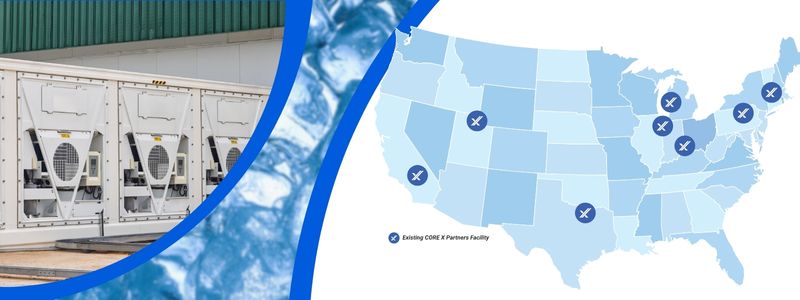
CORE X Partners supports temperature-controlled LTL consolidation through an integrated logistics framework that connects cold storage operations with freight planning and execution. Strategically located facilities serve as consolidation points where compatible refrigerated and frozen shipments are staged, grouped, and dispatched under defined temperature controls.
By aligning warehousing workflows with transportation execution, CORE X helps reduce handling events, improve trailer utilization, and increase delivery predictability. Shared systems provide visibility into inventory, staging status, and temperature conditions, enabling proactive consolidation decisions rather than reactive ones. This integrated approach helps brands reduce total transportation cost while maintaining the temperature discipline required for regulated and perishable products.
Technology-Driven Visibility and Control Across the Cold Chain
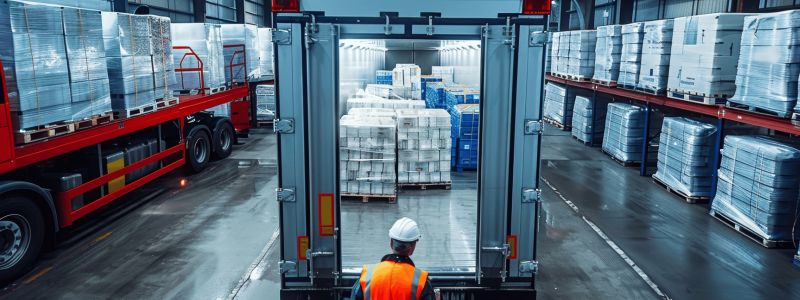
Maintaining pace with technological advances is not an option in cold chain operations; it is foundational to reliability, efficiency, and risk control. As noted by Inbound Logistics, modern warehouse management systems are no longer static inventory tools; they function as real-time control systems that track every pallet, case, and temperature zone throughout a facility, providing continuous visibility and operational precision. This level of control is critical for reducing handling risk, minimizing temperature deviations, and responding quickly to changing conditions.
CORE X leverages advanced warehouse and freight management technologies to deliver consistent visibility, accountability, and control across the cold chain. Integrated WMS platforms, real-time temperature monitoring, and connected logistics systems work together to optimize temperature control, reduce waste, and support reliable execution at every handoff, protecting product integrity while improving operational efficiency.
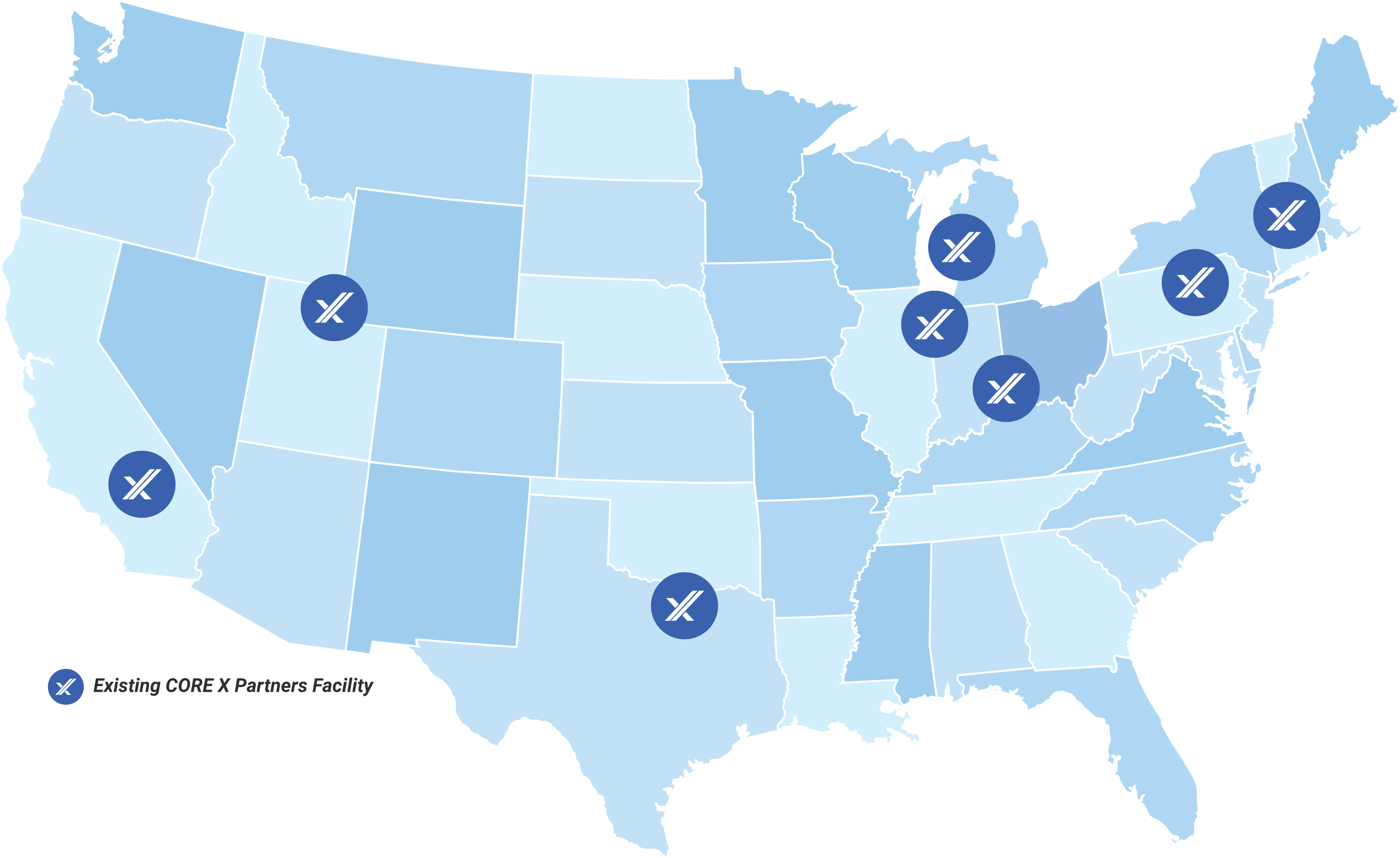
Local Service. Nationwide Network.
A technology-enabled national platform that combines regional execution with dependable, network-wide cold chain performance.
Reducing Cold Chain Transportation Costs Without Increasing Risk
Lowering temperature-controlled transportation costs requires more than negotiating LTL rates. It requires structural changes that reduce inefficiencies without introducing new risk. Temperature-controlled LTL consolidation allows food brands to move smaller shipments more efficiently by improving trailer utilization, reducing handling, and stabilizing routing. When consolidation is integrated into a coordinated cold chain strategy, it strengthens both cost performance and operational reliability.
CORE X Partners helps food and beverage brands implement consolidation strategies that reduce transportation costs while protecting product integrity and service performance. Contact CORE X Partners to explore how temperature-controlled LTL consolidation can support your cold chain transportation strategy.